Legacy & Recognition

Cultural Legacy

Nanak Bhil’s cultural legacy lies in the enduring values he upheld and the identity he helped preserve for tribal communities. Through his leadership and sacrifice, he strengthened pride in tribal traditions, customs, and collective memory. His life became a reference point for cultural resilience, reminding future generations of the importance of honoring ancestry, protecting heritage, and maintaining self-respect. Even today, his legacy continues through stories, commemorations, and community consciousness, reinforcing the connection between culture, dignity, and resistance.

Songs and Ballads

Nanak Bhil is remembered through traditional songs and ballads that narrate his courage, sacrifice, and resistance, keeping his story alive across generations.

Storytelling

Elders pass down stories of Nanak Bhil through oral narratives, using his life as a moral guide and symbol of tribal dignity.

Memory

His name has become part of shared tribal memory, representing unity, bravery, and the spirit of standing against injustice.

Statues, Memorials, and Local Commemorations

Statues and Monuments

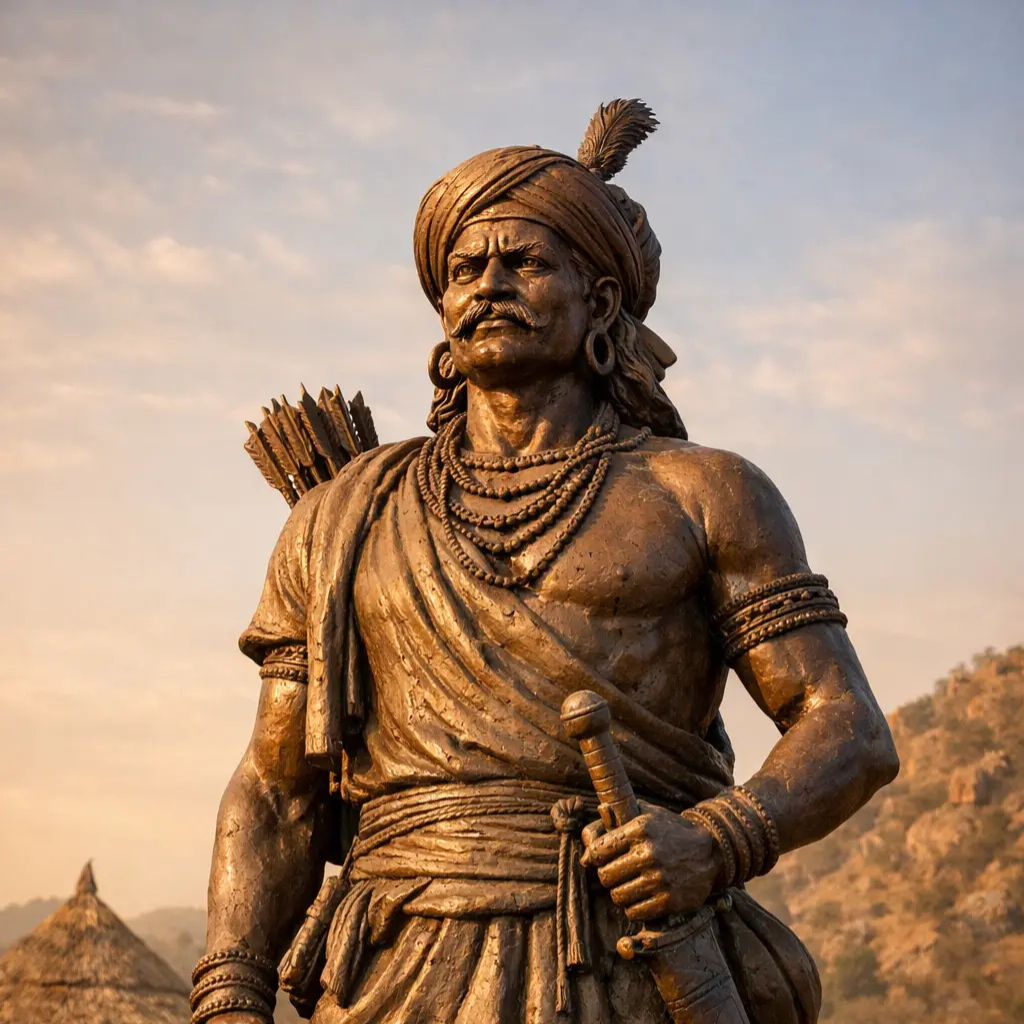
Statues of Nanak Bhil installed in tribal regions serve as lasting symbols of courage and resistance. These monuments honor his sacrifice and educate visitors about his role in tribal history and social justice movements.

Memorial Sites

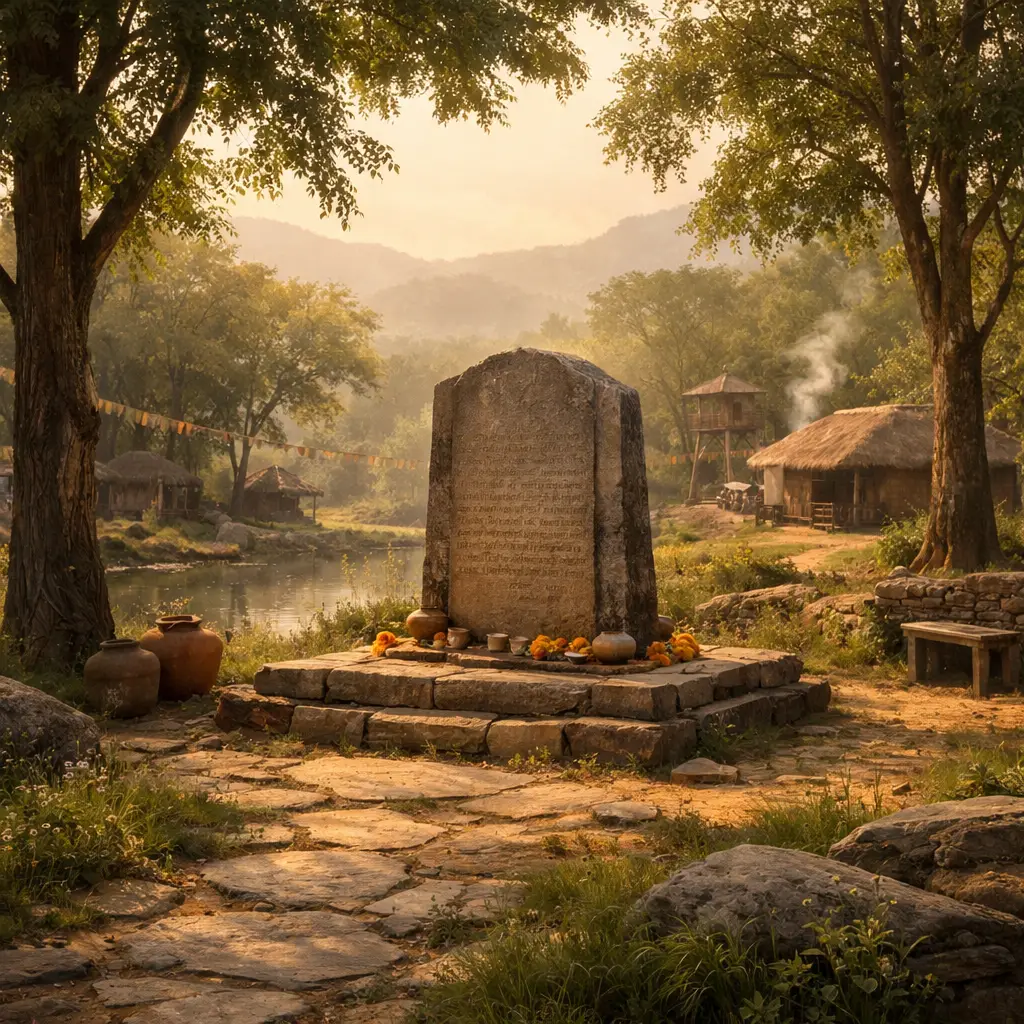
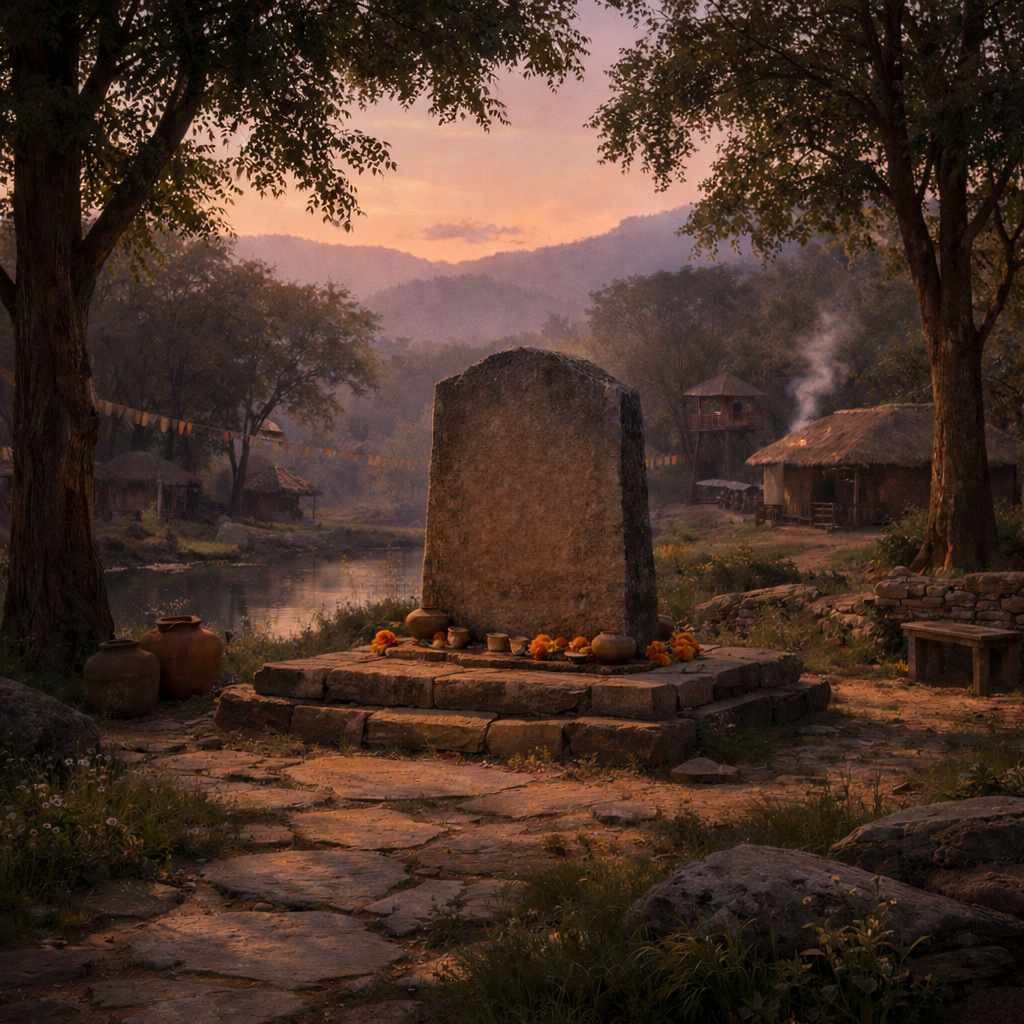
Memorial sites associated with Nanak Bhil act as places of remembrance and reflection. Community members visit these spaces to pay respect, remember his struggle, and reaffirm shared values of dignity and unity.

Local Commemorations

Annual gatherings, ceremonies, and remembrance events keep Nanak Bhil’s legacy alive. These commemorations strengthen community bonds and pass his story to younger generations through collective participation.

Influence on Modern Movements

Community Mobilization

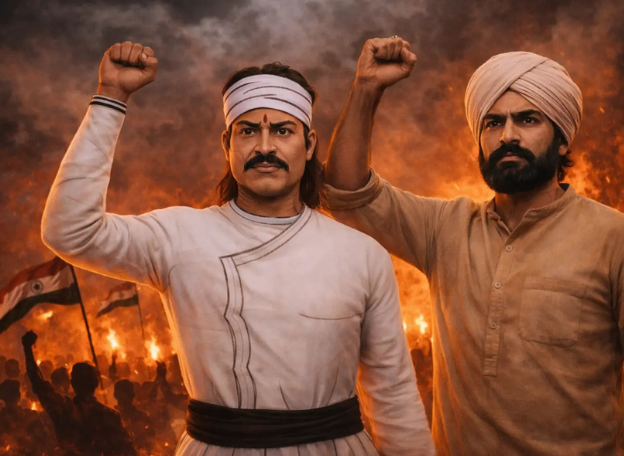
Nanak Bhil’s emphasis on unity and collective action continues to influence how modern tribal movements organize at the grassroots level.

His struggle against exploitation inspires contemporary campaigns focused on land rights, social equality, and legal recognition for tribal communities.

Modern movements draw from his legacy to reclaim tribal identity, language, traditions, and cultural pride as forms of resistance.

His life story motivates young leaders to engage in social justice, community leadership, and responsible activism rooted in ethical values.

Scroll to Top