
Timeline
- Home
- Timeline
- Early Life
Early Life Timeline

Birth
Year: 1890
Born into a Bhil tribal family, he absorbed community values, cultural traditions, and early lessons of resilience and unity together.

Childhood
Year: 1890-1898
Growing up within forests and villages, he learned survival, cooperation, and responsibility through daily tribal life and guidance from elders.

Youth
Year: 1898-1908
During youth, he witnessed injustice against his people, shaping awareness, moral strength, and a deep commitment to community dignity forever.
- Timeline
Major Movements or Revolts
Organized Bhil Peasant Movement
Year: 1922
Description: Nanak Bhil actively mobilized peasants and tribal groups in Bundi during the Barar peasant-tribal movement against feudal oppression and colonial rule.
Dabi Firing Event (“Dabi Kaand”)
Year: 2 April 1923
Description: Nanak Bhil was shot by police while raising the flag and singing patriotic songs at a farmers’ conference in Dabi, becoming a martyr.
Bhil Revolt ( Tribal Uprisings)
Year: 1818
Description: Earlier Bhil tribal uprisings against British and princely authority began in 1818, shaping long history of resistance.
- Resistance
Conflicts with Ruling Powers or Authorities
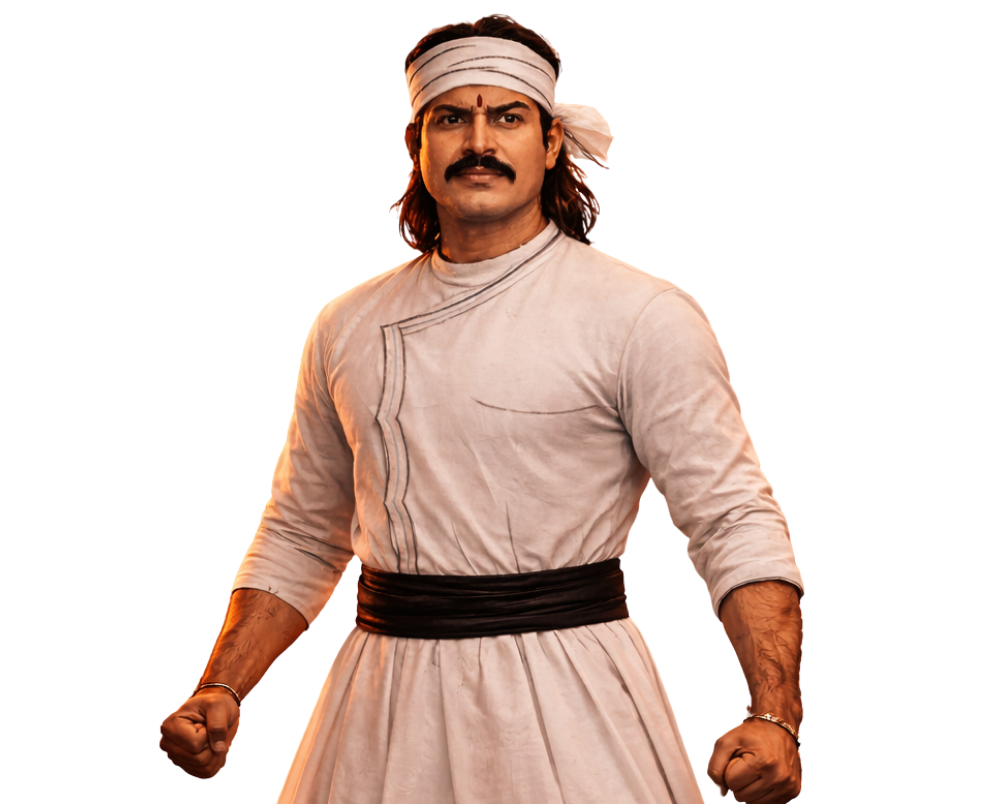
Nanak Bhil’s leadership brought him into direct conflict with colonial administrators and local ruling authorities who sought to suppress tribal assertion and collective movements. His efforts to unite tribal communities, raise awareness, and challenge exploitative systems were viewed as a threat to established power structures. As resistance grew, authorities responded with surveillance, restrictions, and force to silence the movement. Despite pressure and persecution, Nanak Bhil remained steadfast, refusing to compromise on justice, dignity, and tribal rights. These confrontations highlighted the unequal power dynamics of the time and underscored his courage in standing against authority for the sake of his people and their future.
- Martyrdom
Final Phase of Life
In the final phase of his life, Nanak Bhil stood firm in his commitment to justice and tribal dignity despite increasing repression from ruling authorities. His unwavering leadership during heightened conflict made him a central figure of resistance, ultimately leading to his martyrdom. His sacrifice marked a defining moment in tribal history, transforming his struggle into a lasting symbol of courage and selfless devotion to the rights and identity of indigenous communities.
After his martyrdom, Nanak Bhil came to be remembered as a heroic figure in tribal resistance and social justice movements. His name lives on through oral traditions, local histories, commemorations, and scholarly references that honor his contribution and sacrifice. Over time, his legacy has grown beyond regional boundaries, inspiring generations to uphold values of equality, cultural pride, and unwavering resistance against injustice.